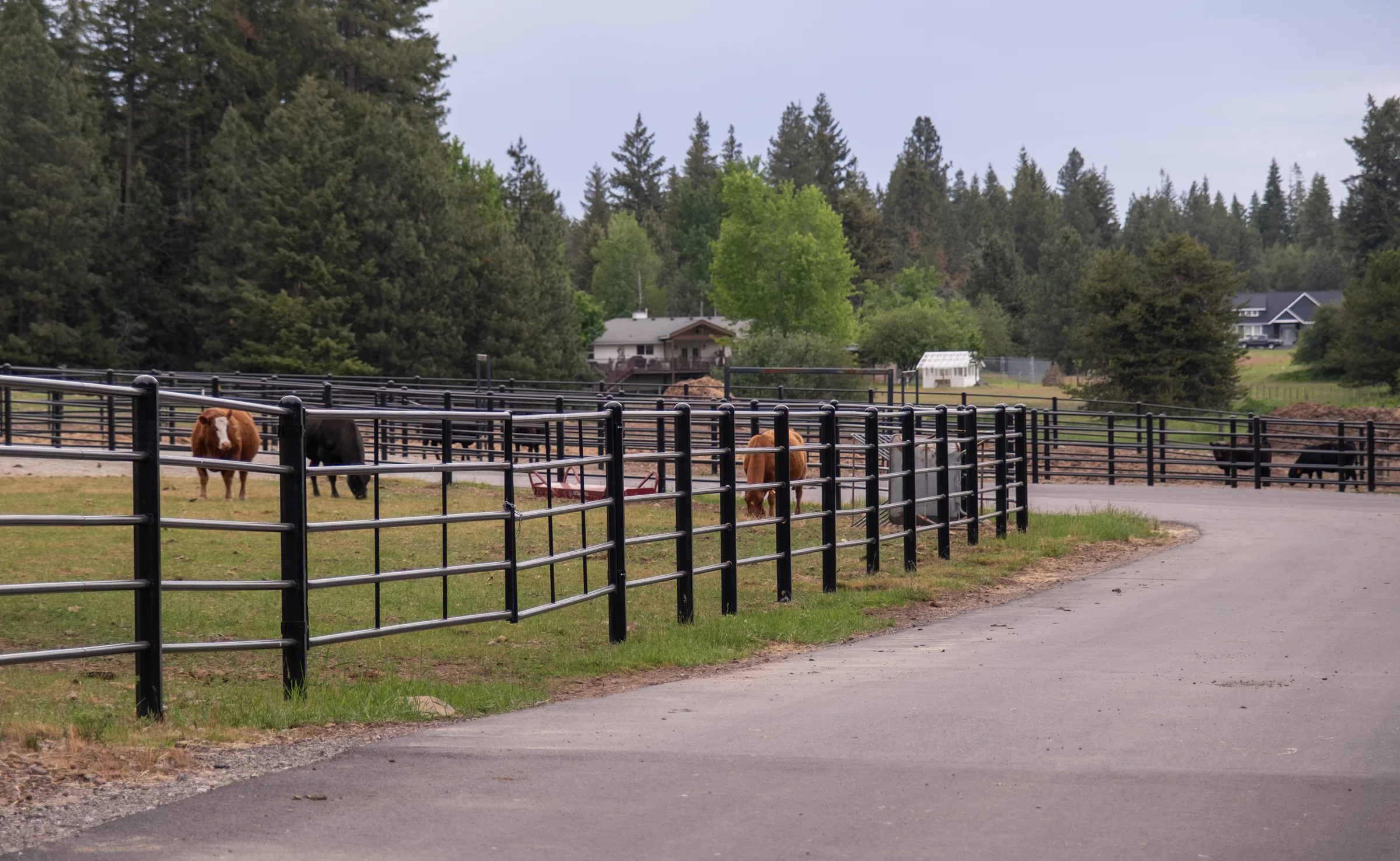

Choosing the right fence isn’t just about appearance—it’s about function, durability, and long-term value. Before building your fence, it’s important to understand what makes a fence truly effective.
There are three key factors to consider: materials & style, price & installation, and longevity & upkeep. Each plays a critical role in how your fence performs over time.
Materials and Style
What is the fence’s purpose? Will it hold animals in or keep them out? Is it protecting a garden, securing property, or purely decorative?
The answers to these questions determine the strength, cost, and maintenance required. Animal fencing requires a sturdier build, while decorative fencing focuses more on appearance.
The purpose of your fence should always guide your decisions on materials, design, and budget.
Even a functional fence can look great. However, appearance and price often go hand in hand, so you’ll need to decide where aesthetics fit into your budget.
Price and Installation
Budget should be determined early in the planning process. The size, material, and type of fence all influence the total cost.
If you can’t maximize both quality and appearance, prioritize the fence’s primary purpose. A beautiful fence that doesn’t perform its job is a poor investment.
Installation Considerations
- Post depth and spacing
- Concrete requirements
- Fence height and structure
- Terrain (rocky soil, slopes, elevation changes)
Not all fences perform well in every environment. Make sure your installer understands your terrain and has experience with your fence type.
Longevity and Upkeep
Consider what kind of stress your fence will face. Will it contain livestock, withstand weather, or deal with wildlife pressure?
Choosing durable materials reduces maintenance and increases lifespan. Ideally, your fence should require minimal upkeep while still handling real-world conditions.
Even the best fences can be damaged by unexpected events like storms or falling trees, so having a maintenance plan is always a good idea.
Conclusion – Your Guide to a Good Fence
A successful fence project comes down to three things:
- Materials & Style → Match your fence to its purpose
- Price & Installation → Plan your budget and install properly
- Longevity & Upkeep → Choose durability and plan for maintenance
Thinking through these factors ahead of time can save you time, money, and frustration in the long run.
Need Help Planning Your Fence?
If you want expert guidance designing the right fence for your property, our team is here to help.
Schedule a call, call us at 208-765-8133, or email info@holdemfencing.com.