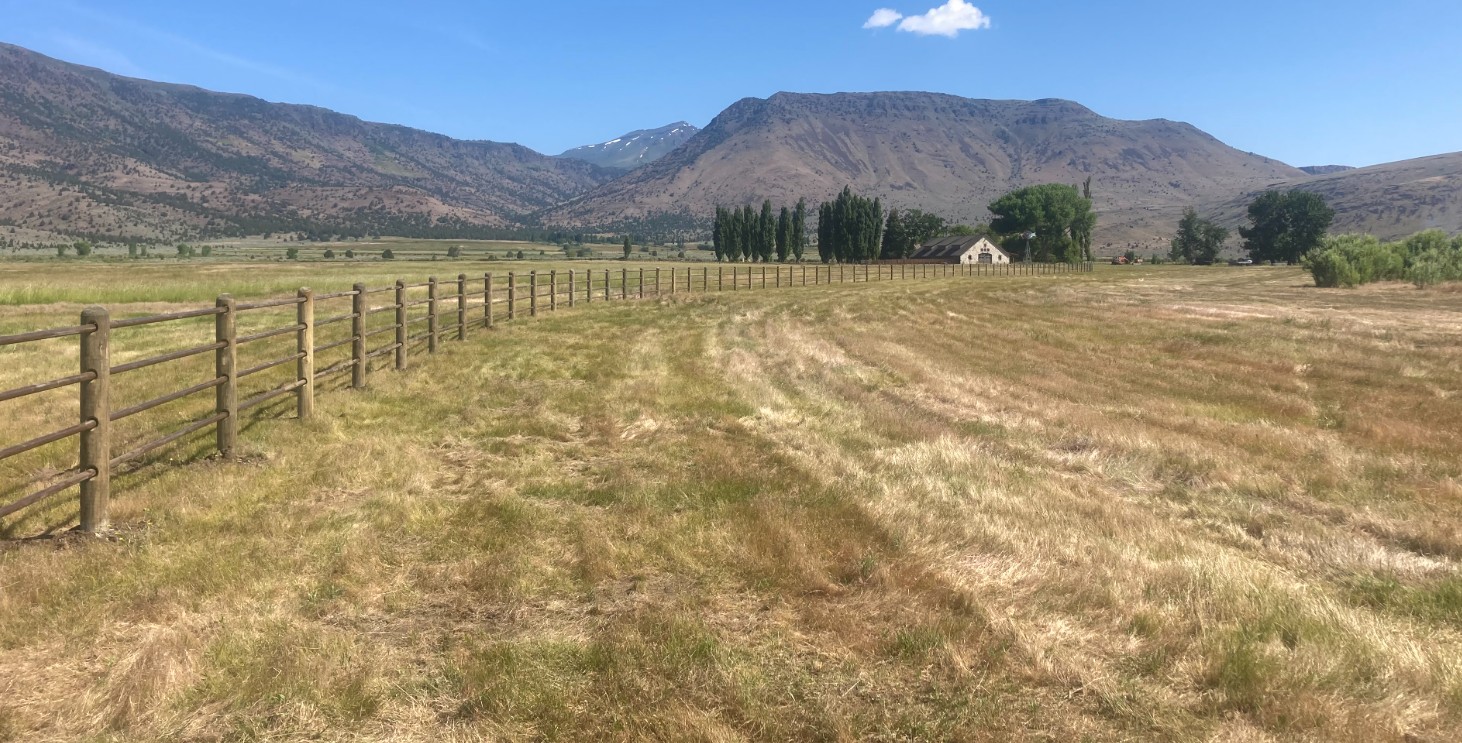
4 Rail & 4 BoardHorse • Farm • RanchCustom Installed

4 Rail & 4 Board Fence for Horse, Farm & Ranch Properties

A fuller horizontal fence layout with strong visual presence for paddocks, pastures, arenas, ranch entrances, driveways, acreage, and estate boundaries.

Fuller appearancestronger horizontal presence along visible runs
Defined openingsoften smaller gaps than three rail in the same family
Material choicewood, steel, HDPE, and hybrid systems
Custom installationlayout, gates, transitions, and final review
Four-rail fence options

Choose the appearance and material that fit the property.

Each option keeps the four-horizontal-member layout while offering different profiles, finishes, maintenance expectations, terrain response, and applications.

Traditional Kentucky four-board wood horse and farm fenceClassic wood board

Traditional Wood Four-Board

Four broad horizontal wood boards create the established Kentucky-style appearance associated with horse farms, ranches, and country estates. Wood species, treatment, finish, dimensions, and post spacing are selected for the project.

Good fit: Horse properties, farm frontage, paddocks, driveways, and estate boundaries.

The calculator opens Buckley Steel Board as the closest available board-style pricing comparison.

Black Buckley Steel Board four-rail horse fenceBoard-profile steel

Buckley Steel Board

A galvanized and powder-coated steel system shaped to deliver a clean board-fence appearance. The export lists a four-rail configuration with product-specific finished height and approximately 7¼-inch spacing.

Good fit: Horse properties, paddocks, arenas, entrances, and estate frontage.
Black Tangent solid HDPE four-rail ranch fenceSolid HDPE

Tangent Ranch Rail

Solid HDPE posts and rails with a center-mount four-rail configuration. Tangent provides a substantial ranch-rail appearance with product-specific flexibility and low-maintenance material characteristics.

Good fit: Horse properties, ranches, paddocks, arenas, and estate boundaries.
Derby four-rail HDPE horse fenceRibbed HDPE

Derby Horse Fence

Thick-walled, internally ribbed HDPE rails available in a four-rail configuration and multiple colors. Derby creates a smooth, consistent horizontal appearance for horse and ranch properties.

Good fit: Horse farms, paddocks, arenas, pastures, and ranches.
Noble Steel Contour four-rail galvanized ranch fenceGalvanized contour rail

Noble Steel Contour

A galvanized continuous-rail system offered in a four-rail configuration and designed to follow slopes, rolling ground, and changing elevations when correctly installed.

Good fit: Rolling pastures, ranch perimeters, livestock areas, and long terrain-changing runs.
Ponderosa four-rail fence with wood posts and steel railsWood-post hybrid

Ponderosa Rail

Pressure-treated wood posts paired with powder-coated galvanized steel rails. The four-rail layout combines wood-post warmth with a uniform manufactured rail system.

Good fit: Ranch entrances, driveways, pastures, and upscale rural properties.
Why owners choose four rail

Greater visual definition with the open character of rail fencing.

01

Creates strong presence

The fuller horizontal layout gives paddocks, arenas, entrances, and estate frontage a substantial, finished appearance.

02

Defines the enclosure

Within the same fence family and height, the fourth rail generally creates greater visual density and smaller vertical openings.

03

Works across materials

The configuration can be built with traditional boards, steel board profiles, HDPE, galvanized rail, or hybrid systems.

04

Supports custom layouts

Gate widths, corners, grade transitions, mesh, finish, and rail placement can be planned around how the property is used.

Four-rail steel board horse fence
More rails can reduce openings, but dimensions still matter.
Confirm total height, every gap, rail profile, gates, corners, and the animal-facing side of the selected system.
Plan the complete enclosure

Rail count is only one part of the fence.

A successful four-rail project also accounts for the animals, finished height, actual openings, terrain, traffic, gates, maintenance, and future property use.

  • Confirm total height and every opening between and below the rails.
  • Select gate widths for horses, trailers, equipment, and daily chores.
  • Review terrain changes, corners, terminations, arena lines, and driveway transitions.
  • Choose material and finish with long-term upkeep expectations in mind.
  • Add mesh only where it is compatible with the selected fence system.
Common applications

A fuller layout for visible and working parts of the property.

Horse paddocksA highly visible horizontal enclosure for turnout areas and pasture divisions when system dimensions suit the horses.
Arenas and facilitiesA substantial perimeter around riding arenas, lanes, training areas, and high-traffic equestrian spaces.
Driveways and entrancesA premium horizontal frame around approaches to homes, barns, ranches, and estate properties.
Pasture and frontageLong runs with stronger visual definition while maintaining views across fields and acreage.
FAQ

Four-rail and four-board fence questions.

Key considerations before selecting the material, layout, gates, and containment details.

Is four-board fencing the same as four-rail fencing?

Four-rail is the broader term for a fence with four horizontal members. Four-board usually describes broad, flat members, most commonly wood. Steel and HDPE products may also create a board-style horizontal appearance.

Is a four-rail fence suitable for horses?

It can be when the complete fence is planned for the horses using it. Finished height, actual openings, visibility, smooth animal-side construction, gates, corners, attachment methods, maintenance, and horse behavior all matter.

Why choose four rails instead of three?

Four rails generally create a fuller visual profile and smaller vertical openings within the same fence family and overall height. Three rails generally create a lighter, more open appearance. The better choice depends on the actual system dimensions and enclosure needs.

What materials are available?

The available collection includes traditional wood boards, board-profile steel, solid HDPE, internally ribbed HDPE, galvanized tubular steel, and steel rails paired with wood posts.

Can wire mesh be added?

Mesh can be incorporated with selected systems when smaller-animal or yard containment is needed. Compatibility, opening size, bottom clearance, fastening method, gates, and the animal-facing finish should be confirmed for the chosen product.

How much does a four-rail fence cost?

Pricing depends on the selected product, footage, rail or board dimensions, post spacing, finish, gates, mesh, terrain, soil, access, freight, concrete, labor, location, and current availability. Use the calculator for a planning estimate and request a project-specific quote before purchasing.

How do I get a project estimate?

Provide the project location, approximate footage, animals, preferred material, desired appearance, gates, mesh needs, terrain, and access. Hold Em Fencing can then recommend a build and prepare a site-specific estimate.

See what a four-rail fence could cost on your property.

Enter the project footage and select a fence system for a planning estimate, or contact Hold Em Fencing for a site-specific recommendation and quote.