
 Classic flat board
Traditional 3-Board
An open, familiar farm and horse-property look with three broad horizontal wood boards.
Good fit: pastures, driveways, farm frontage, and open rural boundaries.
Natural wood fencing for horse properties, farms, ranches, driveways, acreage, and estate boundaries—with traditional board, round rail, split rail, and wood-post hybrid options.
Board count, rail profile, wood species, posts, gates, mesh, and finish all shape how the fence looks and performs on the property.
Classic flat board
An open, familiar farm and horse-property look with three broad horizontal wood boards.
 Fuller four-board look
A fuller wood-board profile with the traditional Kentucky farm and equestrian appearance.
 Round post & rail
Round pressure-treated posts and rails create a clean, traditional ranch and acreage profile.
 Rustic natural boundary
A relaxed, rustic fence that defines property lines without creating a visually heavy boundary.
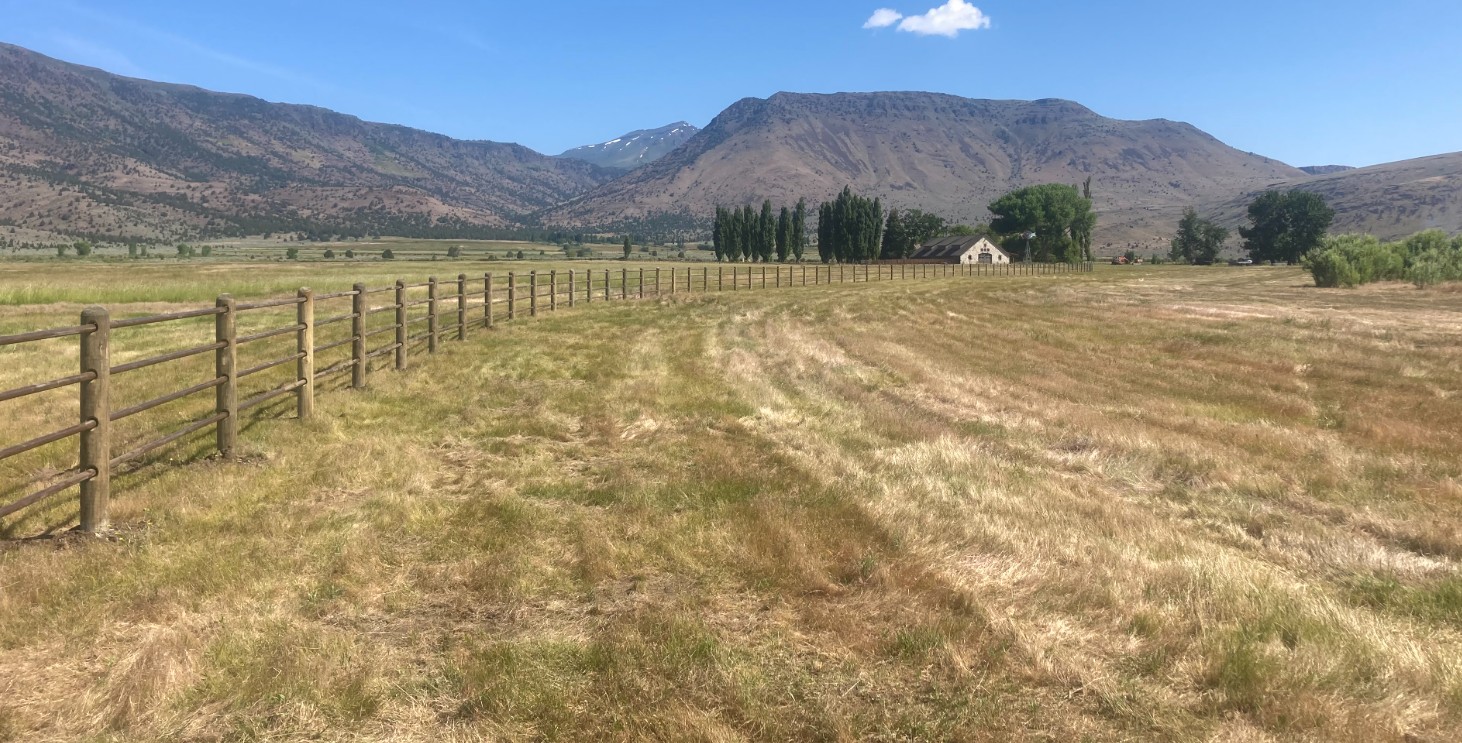 Wood-post hybrid
Pressure-treated wood posts provide warm ranch character, while powder-coated galvanized steel rails create a uniform, engineered horizontal line.
Wood can feel traditional, understated, rustic, or refined depending on the board profile, rail shape, finish, posts, gates, and surrounding landscape.
Wood visually belongs on horse farms, ranch acreage, driveways, pasture edges, and rural homes.
Flat board, round rail, split rail, and wood-post hybrid systems create noticeably different finished properties.
Board or rail count, spacing, gates, finish, and selected mesh options can be planned around the actual use.
Many wood systems allow damaged posts or rails to be addressed by section rather than replacing an entire fence line.
A pasture perimeter, dog yard, driveway entrance, and estate boundary can all use wood fencing—but they may need different boards, rails, mesh, gates, spacing, and finish details.
Horse visibility, livestock pressure, dogs, small-animal openings, and optional mesh influence the final system.
Footage, corners, terrain, gate widths, trailers, equipment, driveways, and future pasture divisions shape the build.
Natural aging, stain or seal preferences, moisture, sun exposure, ground contact, and repair access affect long-term ownership.
The same property may use different wood-fence styles around pastures, paddocks, driveways, yards, trails, and estate frontage.
Board and round-rail profiles create strong visual boundaries for paddocks, pastures, arenas, and turnout areas.
Doweled and split-rail systems provide natural definition for long runs, internal divisions, lanes, and rural boundaries.
Traditional boards and wood-post hybrid systems add structure and curb appeal around entrances and highly visible frontage.
Practical answers about styles, pricing, containment, maintenance, and project planning.
Choose by the look you want and the job the fence must do. Three-board and four-board fences create a traditional horse-farm appearance, doweled post-and-rail provides a round ranch profile, split rail creates a rustic boundary, and Ponderosa combines wood posts with steel rails.
Yes. The fence-cost calculator can provide a preliminary planning range. Final installed pricing depends on footage, gates, terrain, access, location, materials, board or rail count, mesh, finish, and other project details.
No. Ponderosa is a hybrid fence that combines pressure-treated wood posts with powder-coated galvanized steel rails.
Mesh can be added to selected systems when smaller-animal, dog, or yard containment is needed. Compatibility, fastening, opening size, gates, bottom clearance, and the animal-facing finish should be confirmed for the chosen fence.
Wood fencing should be inspected regularly. Maintenance depends on wood species, treatment, moisture, sun exposure, finish, ground contact, impact, and the appearance the owner wants to preserve.
Helpful details include the project location, approximate footage, animals, preferred style, rail or board count, gates, mesh needs, terrain, site access, finish preferences, and any photos or property plans.
Share the location, approximate footage, preferred style, animals, gate needs, terrain, and access details for a useful planning estimate and project-specific recommendation.