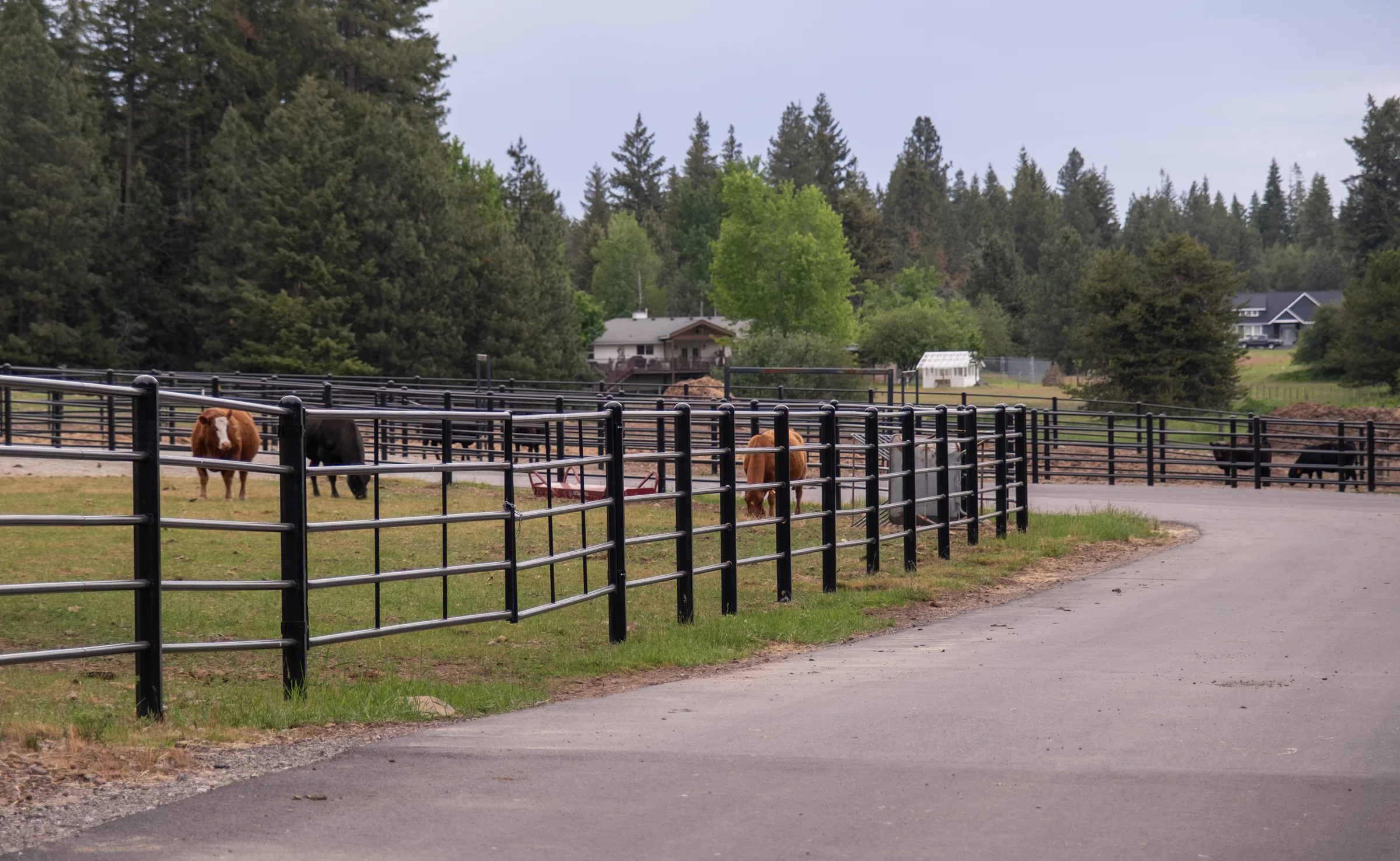
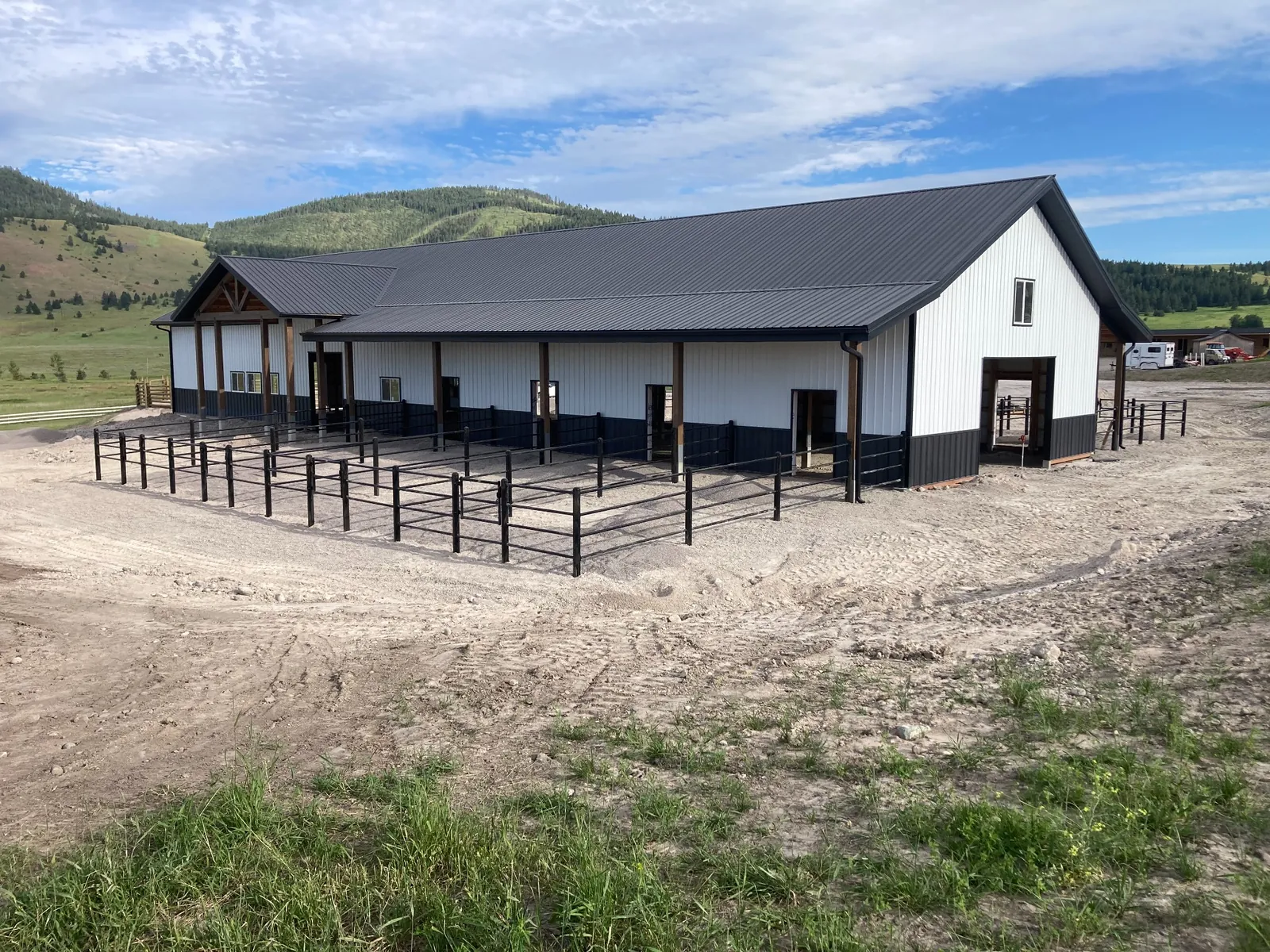
If you are researching pipe fencing for horses, you are probably looking for a fence that can handle daily ranch use while maintaining a clean, permanent appearance. Steel pipe and tubular rail systems are widely used around horse pastures, paddocks, arenas, driveways, and ranch entrances because they are highly visible and can be built for decades of service.
The important distinction is that not every pipe horse fence is built the same way. Traditional welded pipe is fabricated in the field, while newer no-weld systems use manufactured rails, posts, and engineered connections. The right choice depends on your horses, terrain, desired appearance, budget, and how much installation complexity you want on the property.
What Is Pipe Fencing for Horses?
Pipe fencing for horses is a steel rail fencing system that uses round or tubular steel rails installed horizontally between posts. Depending on the system, the rails may be welded in place or connected with pre-engineered brackets and fittings.
Common applications include:
- Horse pastures and paddocks
- Arena fencing and holding areas
- Ranch entrances and driveway runs
- Large-acreage livestock containment
- Property frontage and estate fencing
Ranch owners often choose pipe fencing because it provides strong impact resistance, excellent visibility, low routine maintenance, and a clean ranch-style look that works for both functional and high-finish applications.
Pipe is a rigid fence material. Smooth rails, appropriate rail spacing, sound installation, gate placement, and the behavior of the horses using the enclosure all matter. A fence should be selected for the specific paddock, pasture, arena, or pressure level—not by material alone.
Welded Pipe Fence vs. No-Weld Pipe Fencing Systems
One of the biggest decisions is how the pipe fence is assembled. Both approaches can create a substantial ranch fence, but the installation process, finish consistency, corrosion protection, and field labor can differ considerably.
Traditional Welded Pipe Fence
Traditional welded pipe fencing is commonly fabricated on site. Pipe is cut, fitted, and welded to posts and adjoining rails, often using oil-field or other heavy steel pipe depending on local availability.
Considerations with welded pipe fencing include:
- More field labor because cutting, fitting, and welding happen on site
- Hot-work and fire-management requirements during installation
- Finish quality that can vary with fabrication and coating work
- A rigid barrier with very little give, which should be considered for horse enclosures
- Material availability and condition that can vary by market
Modern No-Weld Pipe Fencing
No-weld pipe fencing uses pre-engineered rails, posts, sleeves, brackets, or other manufactured connections so the fence can be assembled without welding every rail in the field.
Potential advantages include:
- More consistent components and finished appearance
- Galvanized and/or powder-coated options for corrosion resistance
- Faster, more repeatable installation on many projects
- Less dependence on field welding and finishing
- Predictable rail configurations and replacement components
For many horse and ranch properties, these engineered systems offer a useful balance of appearance, durability, installation efficiency, and long-term serviceability.
Priefert Estate Fence

Priefert Estate Fence is a versatile no-weld steel rail system with a finished ranch appearance. It is a strong fit for horse properties that want the visual weight of pipe fencing without fabricating every connection on site.
Why it stands out
- Heavy-duty steel construction
- 13-gauge or 16-gauge rail options
- Multiple rail configurations
- Clean, consistent ranch appearance
Noble Estate Fence

Noble Estate is a premium heavy-duty system designed for ranch owners who prioritize a substantial finished look, corrosion protection, and long service life.
Why it stands out
- Round-post system
- High-quality textured powder-coat options
- High-tensile steel construction
- Gatorshield galvanizing for added corrosion resistance
Noble Steel Contour Fence

Noble Contour is designed for long runs and changing grades. Its longer rails can follow rolling ground smoothly, making it particularly useful where terrain adaptation and cost efficiency matter.
Why it stands out
- 24-foot rails for smooth contouring
- Strong 15-gauge high-tensile steel
- Well suited to slopes and uneven terrain
- Lower installed cost than heavier estate-style systems on many layouts
Ponderosa Ranch Rail Fence
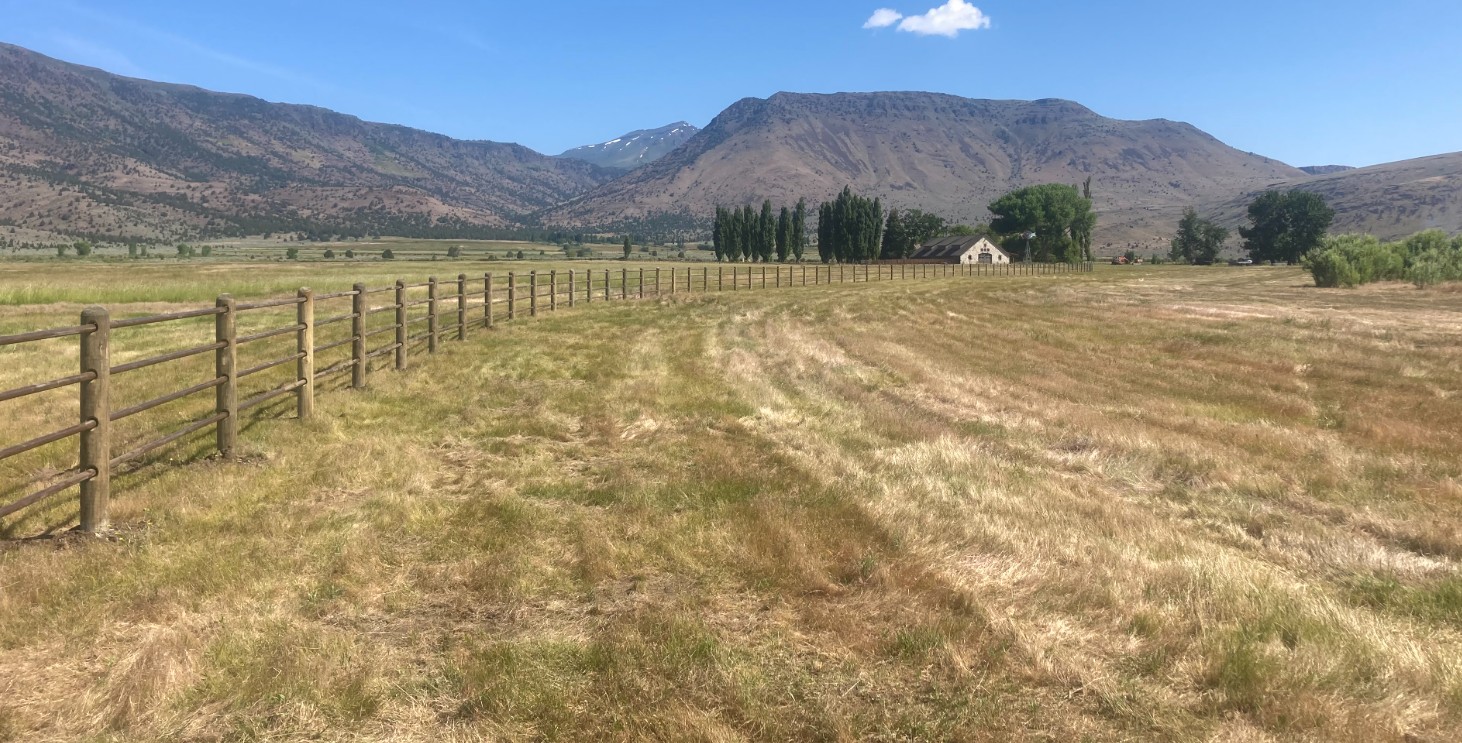
Ponderosa combines steel rails with wood posts, creating a hybrid system for owners who want a more traditional western ranch look while avoiding the sagging and warping associated with long wood rails.
Why it stands out
- Rustic-modern appearance
- Steel rails resist sagging and warping
- 10-foot post spacing for material efficiency
- Strong visual fit for ranch entrances and frontage
440 Pipe Fence

The 440 system is a heavy-duty pipe-fence option designed for ranch-grade strength and containment. Its no-weld bracket approach gives owners a substantial pipe profile while reducing field fabrication.
Why it stands out
- Purpose-built no-weld bracket system
- Multiple pipe-strength options
- Heavy ranch-grade construction
- Designed for demanding livestock applications
Pipe Fence Cost: What to Expect
Pipe fence cost depends on the fence system, rail count, steel thickness and coating, post spacing, gates, terrain, freight, and local installation conditions. The ranges below are useful planning numbers, not a site-specific quote.
| Fence system | Typical installed range | Common fit |
|---|---|---|
| Noble Steel Contour | $24–$36/ft. | Large pastures and rolling terrain |
| Ponderosa Ranch Rail | $34–$43/ft. | Entrances, driveways, large paddocks |
| Priefert Estate | $40–$54/ft. | Horse ranches and estate perimeter |
| 440 Pipe Fence | $45–$65/ft. | Working ranches and heavy-duty applications |
| Noble Estate | $47–$65/ft. | Premium paddocks and high-pressure areas |
What changes the final price?
- Terrain, grading, access, and soil conditions
- Gate quantity, gate width, and hardware
- Three-, four-, five-, or six-rail configurations
- Steel gauge, galvanizing, and powder-coat finish
- Welded versus no-weld installation method
- Freight and project location
For project-specific pricing, use the fence cost calculators or request a custom estimate based on your layout and location.
Why No-Weld Pipe Fencing Is Becoming More Common
Engineered no-weld systems are increasingly attractive on modern ranch projects because they can reduce field fabrication while delivering repeatable components, clean lines, and factory-applied corrosion protection.
- Consistent component quality and spacing
- Cleaner, more repeatable finished appearance
- Less dependence on on-site welding crews
- Galvanized and powder-coated material options
- More predictable material packages and replacement parts
That does not make one system right for every property. Working cattle pressure, horse behavior, terrain, aesthetics, budget, and local installation conditions should all be part of the decision.
Frequently Asked Questions
What is pipe fencing for horses?
It is a steel rail fencing system that uses round or tubular steel rails between posts to create a strong, highly visible enclosure for horse and ranch properties.
Is pipe fencing good for horses?
Pipe fencing is widely used on horse properties because it is strong, visible, and durable. Because it is rigid, the specific rail profile, spacing, installation quality, enclosure design, and horse behavior should all be considered.
What is the difference between welded and no-weld pipe fence?
Welded pipe fence is cut, fitted, and welded in the field. No-weld systems use manufactured components that bolt, sleeve, clamp, or otherwise connect without welding each rail on site.
How much does pipe fencing cost?
The systems in this guide typically range from about $24 to $65 per linear foot installed, depending on the product, rail configuration, terrain, gates, finish, freight, and local labor.
Choosing the Right Pipe Horse Fence
The best pipe fencing for horses is the system that fits the way your property is actually used. A long pasture run on rolling ground has different requirements than a barn paddock, arena, driveway entrance, or high-pressure livestock area.
Hold Em Fencing designs and installs steel and pipe-style fencing for horse properties, ranches, and acreage projects. Compare the systems above, then use our calculator or project-estimate form to narrow the options for your layout.